
Planning a Corporate Event in Philadelphia? Start Here
Perspective by Stratis
What’s changing—and how to navigate it
Philadelphia is entering one of its most active event periods in recent history.
For teams planning events, that creates real opportunity, but also a new level of complexity. What’s happening in the city right now isn’t just about more events. It’s about operating inside a high-visibility, citywide ecosystem where expectations, coordination, and competition are all increasing at the same time.
This isn’t just event planning.
It’s operating inside a different kind of environment.
Picture this: your attendees land in Philadelphia after a full travel day. They check into the hotel, head to registration, and move straight into a packed agenda. The event hasn’t even started and they’re already deciding how engaged they’ll be. That first hour, that first interaction, that first transition, it sets the tone for everything that follows. And in a market like Philadelphia right now, those early moments carry more weight than most teams expect.
Demand is increasing across the board. Venues are booking earlier, resources are getting tighter, and planning timelines are compressing. For planners, that means starting sooner and making decisions with less room to adjust later.
At the same time, events aren’t necessarily getting harder because of production. They’re getting harder because of alignment. There are more stakeholders involved, more moving parts across teams, and more dependencies that can impact execution. Success comes down to how well everything connects, not just how well each piece performs on its own.
Philadelphia will also be on a global stage in a way it hasn’t been in years. That creates real opportunity, but it also raises the bar.
Audiences are more selective. Expectations are higher. And simply being part of the moment isn’t enough to stand out.
Being in Philadelphia creates opportunity.
Standing out requires intention.
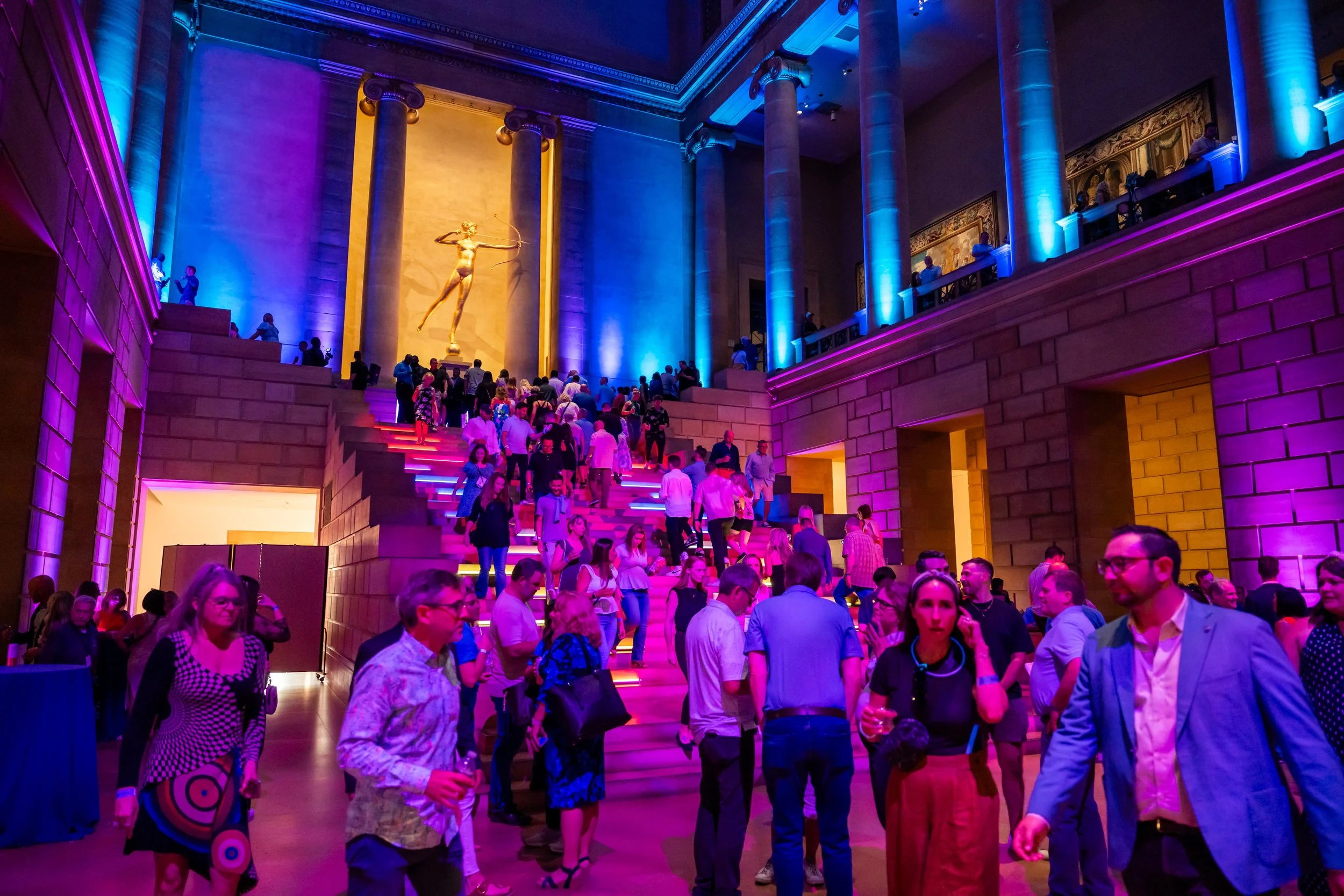
PHLCVB Photo Credit
In this kind of environment, even well-produced events can lose impact. It’s not always obvious where it happens. On paper, everything looks strong, solid content, strong speakers, thoughtful programming. But the experience doesn’t fully land. More often than not, it’s not the keynote or the content that people remember.
It’s the friction.
Waiting to get in. Not knowing where to go next. The space between sessions where nothing is happening, but everything is being felt. The moments that don’t show up in a run-of-show, but shape how the entire event is experienced. Especially in Philadelphia, those in-between moments matter more than most teams expect. What’s starting to separate stronger events right now is a shift in how they’re being designed.
There’s a clear move away from purely informational formats toward experiences that are more intentional,, more immersive, more narrative-driven, and more aware of how people actually engage throughout the day. Content still matters, but how it’s delivered, and how it’s experienced, matters more.
At the same time, teams are thinking differently about how environments are built. Instead of one-off setups, there’s more emphasis on flexibility, modular builds, reusable elements, and approaches that can adapt across multiple moments or audiences. It’s not just a creative decision, it’s a practical one, especially in a compressed, high-demand environment.
Another shift that’s becoming more important in Philadelphia specifically is how events connect to the city itself. The strongest experiences don’t just happen in a venue…they extend into the surrounding environment.
Think about an event hosted in Fishtown.
Attendees don’t just arrive, attend, and leave. They move through the neighborhood. They continue conversations over dinner. They step out between sessions and experience the city in real time. Those moments aren’t separate from the event, they become part of it.
The venue hosts the event.
The neighborhood shapes the experience.
When that’s designed intentionally, Philadelphia stops being just a location. It becomes part of what people remember.
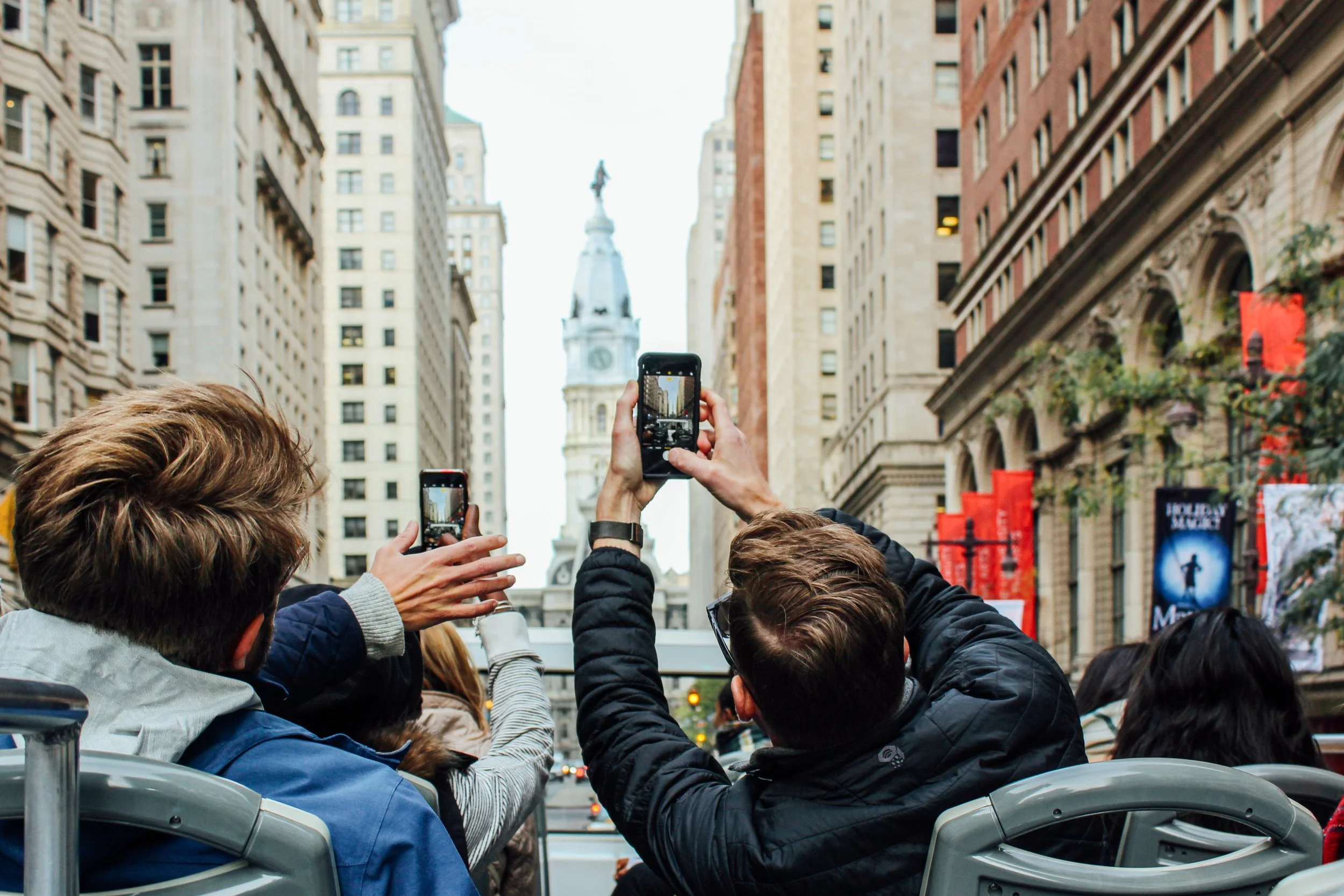
PHLCVB Photo Credit
Designing the Full Experience
That idea extends into how the full attendee experience is being approached.
The best teams aren’t just designing what happens on stage or in-session. They’re thinking about movement—how people arrive, how they navigate, how they transition between moments, and how the day actually feels from the attendee’s perspective.
Because none of it is static. It’s a continuous experience, whether it’s designed that way or not.
In a high-demand environment,
the details around the event become the experience.
For teams planning events in Philadelphia, this usually leads to a few important questions.
How do you create something that stands out in a crowded calendar, not just visually, but experientially?
Are you designing the full journey, or just the core program?
And do you have alignment across teams early enough to actually execute on that vision?
Because in this environment, execution alone isn’t enough. It has to be intentional, connected, and built for the moment.
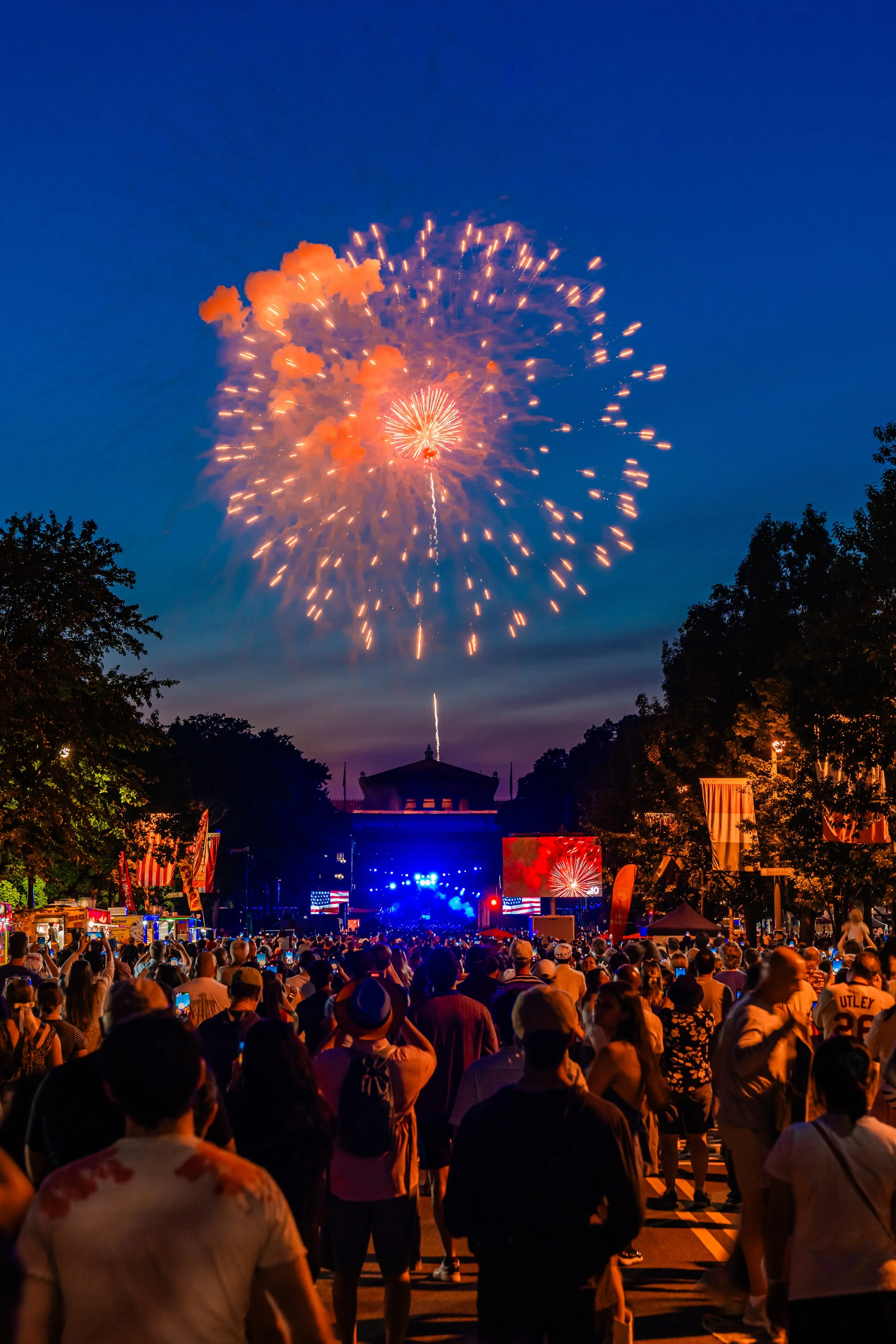
PHLCVB Photo Credit
What’s emerging in Philadelphia right now isn’t just a need for more production. It’s a shift in mindset.
The events that are working are being designed from the start, not layered together late in the process. They’re built for flexibility, connected to their environment, and focused on creating impact that lasts beyond the moment itself.
The difference isn’t in how much you produce—it’s in how intentionally the experience is designed.
Let’s Talk Through It
Most teams don’t need more ideas, they need a clearer way to think through what actually matters.
If you’re planning an event in Philadelphia—whether you’re early in the process or already moving, we offer 20-minute strategy sessions to help pressure-test direction, identify risks, and uncover opportunities early.
No pressure. Just a focused conversation.
